Benefits of Osteopathy For TMJ or Jaw Pain
Within the sphere of holistic health care, osteopathy stands out as a promising solution for those battling the challenges and discomfort associated with Temporomandibular Joint (TMJ) disorders. This ailment, which affects the joint that connects the jaw to the skull, can trigger a wide array of symptoms, including jaw pain and stiffness, headaches, earaches, and difficulty chewing.
As individuals search for non-surgical and thorough treatment methods, osteopathy offers a compelling approach to treating and managing the complexities of TMJ disorders.
Osteopathy is a drug-free, non-invasive manual medicine focusing on total body health by treating and strengthening the musculoskeletal framework. This approach not only helps alleviate pain and discomfort but also improves the body’s circulatory, lymphatic, and nervous system functions.
Regarding TMJ disorders, osteopathic practitioners adopt a holistic approach, considering the complex interplay between the jaw and the rest of the body.
What are the Signs and symptoms of TMJ disorders?
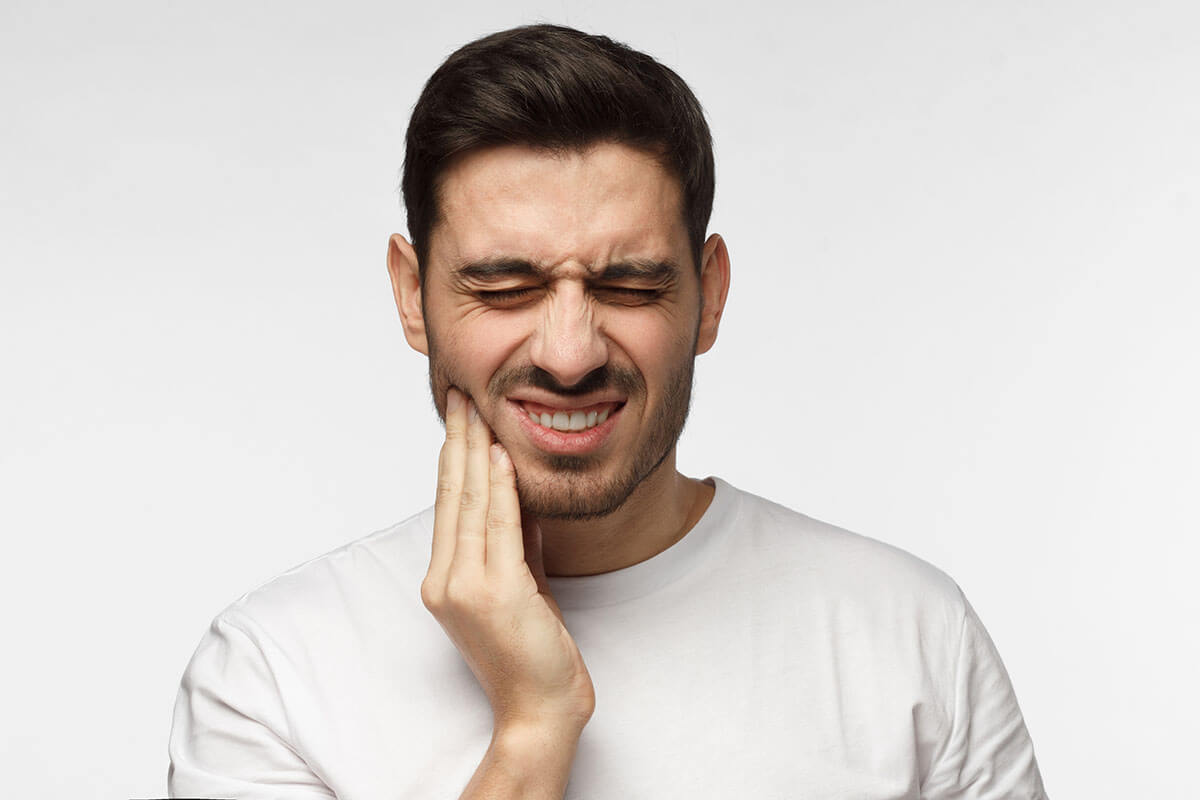
Temporomandibular Joint (TMJ) disorders encompass a range of conditions that affect the joint connecting the jawbone to the skull. These disorders can lead to discomfort and dysfunction in the jaw joint and the muscles that control jaw movement.
Recognising the signs and symptoms of TMJ disorders is crucial for diagnosis and treatment. Here are the common signs and symptoms associated with TMJ disorders:
- Pain or Tenderness in the Jaw: One of the most common symptoms is pain or tenderness in one or both temporomandibular joints. The pain can sometimes extend to the ear, cheek, and neck.
- Aching Pain around and in the Ear: Individuals may experience pain or discomfort in or around the ear, often mistaken for an earache, without any actual ear problem.
- Difficulty or Discomfort while Chewing: TMJ disorders can make chewing painful or difficult, sometimes causing significant discomfort during meals or when the mouth opens wide.
- Aching Facial Pain: Pain radiating along the jaw and facial muscles is another common symptom, often exacerbated by jaw movement.
- Locking of the Joint: The jaw joint may lock, making it difficult to open or close the mouth. This can be a temporary or a more persistent condition.
- Clicking Sounds or Grating Sensation: A clicking, popping, or grating sound when opening or closing the mouth can be a sign of a TMJ disorder, especially if it’s accompanied by pain or limited movement. However, if there’s no pain or limitation of movement associated with the jaw noise, it’s often not considered a symptom of a TMJ disorder.
- Change in the Way the Upper and Lower Teeth Fit Together: There might be a sudden, noticeable change in how the upper and lower teeth align, which can affect chewing and cause further discomfort.
It’s important to note that these symptoms don’t necessarily confirm a TMJ disorder; a thorough evaluation by a healthcare professional is required for a proper diagnosis.
Symptoms can also fluctuate in intensity and may come and go over time. If you’re experiencing any of these symptoms persistently, seeking advice from a healthcare provider specialising in TMJ disorders is advisable for assessment and to discuss potential treatment options.
Causes of TMJ/Jaw Pain
Temporomandibular Joint (TMJ) disorders are complex conditions with varied causes. Often, the exact cause of a person’s TMJ disorder is difficult to determine. These disorders can result from issues within the joint, the muscles that control jaw movement, or a combination of factors.
Understanding the potential causes can help diagnose and treat TMJ disorders more effectively.
Here are some of the common causes associated with TMJ disorders:
- Jaw Injury: Physical trauma to the jaw or temporomandibular joint can lead to TMJ disorders. This could be due to a direct blow, whiplash, or other injuries that impact the jaw area.
- Joint Degeneration: Arthritis, such as osteoarthritis or rheumatoid arthritis, can cause degeneration of the TMJ, leading to pain and dysfunction. These conditions result in the breakdown of the cartilage covering the bones of the TMJ, causing inflammation and discomfort.
- Disk Erosion or Misalignment: The TMJ has a soft disc between the ball and socket, ensuring smooth movement. Over time, this disc can erode or become misaligned, leading to pain and compromised joint function.
- Chronic Teeth Grinding or Clenching: Bruxism, the medical term for chronic teeth grinding or jaw clenching, can put excessive pressure on the TMJ, leading to inflammation and other symptoms of TMJ disorders. This often occurs during sleep, but it can also happen during periods of stress.
- Stress: Emotional or psychological stress can contribute to TMJ disorders by causing tightening of the jaw and facial muscles or by leading to teeth grinding or clenching.
- Poor Posture: Chronic poor posture, especially in the neck and upper back, can lead to neck strain and abnormalities in jaw function. This can indirectly affect the TMJ by altering the jaw’s natural alignment and function.
- Connective Tissue Diseases: Disorders that affect the body’s connective tissues, such as Ehlers-Danlos syndrome, can also affect the TMJ, leading to TMJ symptoms.
- Genetic Predisposition: There may be a genetic component to TMJ disorders, as they can run in families. This suggests that some individuals may be more predisposed to developing these conditions based on their genetic makeup.
It’s worth noting that many people with TMJ disorders may have more than one of the above factors contributing to their condition.
Diagnosis and treatment often require a multidisciplinary approach involving dental and medical professionals specialising in TMJ disorders.
Understanding the underlying cause(s) of a TMJ disorder is crucial in developing an effective treatment plan tailored to the individual’s specific needs.
How Does Osteopathy Help with TMJ Disorders?
Osteopathic treatment for TMJ disorders involves a series of gentle manipulations aimed at improving joint mobility, reducing inflammation, and enhancing muscle function around the jaw and related areas.
Key benefits of osteopathy for TMJ and jaw pain:
- Alleviating Pain and Discomfort: Osteopaths employ techniques such as soft-tissue manipulation to relieve tension in the muscles around the jaw, neck, and shoulders, thereby reducing pain and discomfort.
- Improving Joint Mobility: Gentle manipulations of the TMJ can improve its range of motion, making daily activities like chewing and speaking more comfortable.
- Addressing Postural Issues: Osteopaths also look at postural imbalances that may contribute to TMJ disorders. Correcting these can prevent further strain on the jaw joint.
- Promoting Holistic Healing: Beyond just targeting the symptoms, osteopathy aims to restore overall balance and health, potentially reducing the likelihood of TMJ problems recurring.
Osteopathy for TMJ Dysfunction

The approach to treating TMJ dysfunction varies significantly based on its underlying cause. A straightforward muscle imbalance, for example, might be addressed through soft-tissue release of the jaw muscles, joint mobilisation, and exercises to improve mobility and strength.
However, TMJ dysfunction often comes with accompanying issues in the neck and shoulders, such as restricted movement or lack of stability and strength in these areas.
An osteopathic strategy for TMJ dysfunction involves a comprehensive evaluation of the head, jaw, neck, shoulders, and even the mid-back (and potentially beyond).
Given the close relationship between the jaw and neck, it’s uncommon to find dysfunction in one without the other being affected. Your osteopath will inquire about your work, sleep patterns, hobbies, and current levels of stress, all of which could contribute to your condition.
Suppose you suspect that dental problems contribute to your TMJ issues. In that case, your osteopath might recommend a dental check-up, as collaboration between osteopathy and dentists can sometimes offer a solution.
A dental night guard worn while sleeping might help relieve pressure on the jaw and teeth for those who clench. While it might not be the most fashionable solution, it could significantly improve your situation.
Managing stress through breathing exercises, relaxation, and mindfulness can reduce life’s pressures. Rest assured, your osteopath will have a range of strategies to help manage this aspect of your treatment. Feel free to discuss if you need support in managing stress as part of your treatment plan.
Why Choose Chirn Park Health Group Osteopathy Gold Coast for Jaw Pain?
At Chirn Park Health Group Osteopathy Gold Coast, we understand the complexity of TMJ disorders and their impact on your quality of life. Our team of experienced Gold Coast osteopaths is dedicated to providing personalised care that targets the symptoms and root causes of your discomfort. We pride ourselves on our holistic approach, ensuring each treatment plan is tailored to our clients’ unique needs.
Our clinic has state-of-the-art facilities, and our staff stays abreast of the latest advancements in osteopathic medicine to provide the most effective treatments possible. We believe in working collaboratively with our clients, empowering them with the knowledge and resources to achieve optimal health and well-being.
If you’re struggling with TMJ disorders and are looking for a non-invasive, holistic treatment option, we invite you to discover the difference osteopathy can make. At Chirn Park Health Group Osteopathy Gold Coast, we’re not just about alleviating symptoms but transforming lives. Contact us today to learn more and to schedule your consultation. Let’s embark on a journey towards a healthier, happier you.
Book a Osteopoathy Gold Coast For TMJ and Jaw Pain
Health Disclaimer: This article is intended for informational purposes only and is not a substitute for professional medical advice, diagnosis, or treatment. Always seek the advice of your physician or other qualified health provider with any questions you may have regarding a medical condition. Never disregard professional medical advice or delay seeking it because of something you have read in this article.

Dr. Deborah Calleja is an experienced osteopath on the Gold Coast with over 30 years in the field. She holds a Bachelor of Applied Science in Osteopathy from RMIT in Melbourne. Dr. Calleja has completed extensive training in chronic pain management, Barral visceral techniques, cranial osteopathy, pregnancy, and sports injuries.